

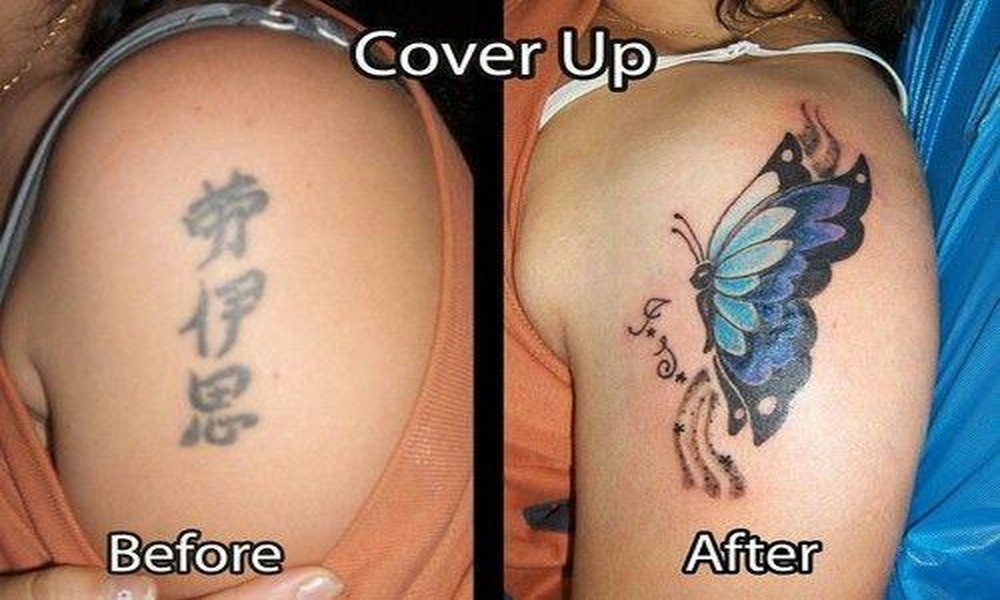
Cover-up tattoos are more than just artistic corrections-they often represent a deeper emotional process. For many people, transforming regretful ink into something new is tied to personal growth, identity changes, and healing from past decisions. The psychology behind cover-ups reveals how body art can reflect emotional evolution over time.
Understanding Tattoo Regret
Tattoo regret can happen for many reasons. Some people choose designs impulsively, while others later outgrow the meaning behind their ink. Life changes such as relationships, careers, or personal beliefs can also shift how someone feels about a tattoo they once loved.
Regret does not always mean the tattoo is poorly done. Often, it reflects a change in identity rather than a mistake in execution.
The Emotional Weight of Removal vs Cover-Up
When faced with unwanted ink, individuals typically consider two options: laser removal or a cover-up. Laser removal can take multiple sessions, be costly, and sometimes leave faint traces behind. Cover-ups, on the other hand, allow people to transform existing tattoos into something meaningful without fully erasing the past.
For many, choosing a cover-up feels less like “erasing” and more like “redefining.” This shift in mindset can make the process emotionally easier to accept.
The Psychology of Transformation
Cover-up tattoos often symbolize personal growth. Turning an old design into something new can represent moving on from a past relationship, overcoming a difficult period, or embracing a new version of oneself.
This transformation can provide a sense of closure. Instead of seeing the tattoo as a mistake, individuals begin to view it as part of their life story-one that has evolved into something more meaningful.
Creative Challenges for Artists
Cover-up work requires advanced artistic skill. Tattoo artists must carefully design around existing ink, using darker tones, strategic shading, and layered composition to conceal the original image.
This process often involves collaboration between the client and artist. The emotional significance of the new design is just as important as the technical execution.
Acceptance and Self-Expression
For many people, cover-up tattoos become a form of self-acceptance. Rather than hiding past decisions, they choose to transform them into something that better represents who they are today.
This approach reinforces the idea that identity is not fixed. Just like people change, tattoos can evolve too.
Final Thoughts
The journey of a cover-up tattoo goes beyond ink and skin. It reflects emotional healing, personal growth, and the desire to reshape one’s narrative. By transforming regretful tattoos into meaningful artwork, individuals often gain a renewed sense of confidence and self-expression that aligns more closely with who they are today.
This post was written by J Michael Taylor. J Michael Taylor is an artist and the owner of Black Amethyst Tattoo Gallery. Looking for Tattoo shops in St Petersburg, Florida? Black Amethyst has you covered! They provide an art-first approach to custom tattooing in a gallery setting.